When can kittens go outside for the first time?


Enter a keyword below to search for articles and products.
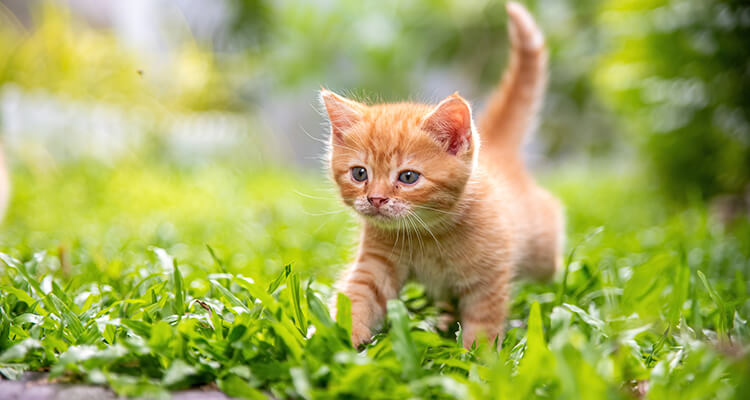

Kittens can begin to explore outside at aged 5-6 months, provided they are vaccinated, neutered/spayed, and have settled into their home for at least two weeks.
Kittens are naturally curious about everything, and that includes the great outdoors. New cat owners often worry about what age kittens should be let outside, in this article, we will discuss everything you need to know about the timing and preparation required to ensure a positive experience for the kittens and everyone else involved.
This article will inform you about the reasons why you should wait a little longer to let your kitten outside, when kittens can go outside safely and how to prepare for their first trip outdoors, to help ensure your kitten’s first big trip outdoors goes smoothly.
Kittens can go outside aged 5-6 months old, once fully vaccinated, spayed/neutered, and have settled into their home for at least two weeks. Kittens are very vulnerable to predators, illness, and hazards before this age, especially newborns. Kittens have to develop strong immunity, coordination, and strength before being allowed outdoors.
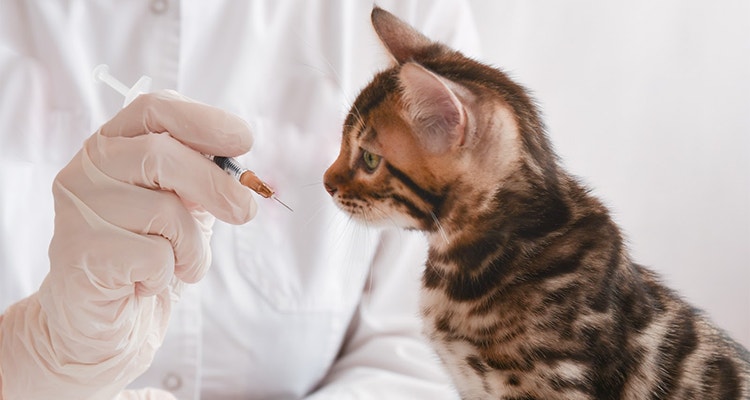
Veterinarians typically recommend waiting until vaccinations and flea treatments are complete before you start letting your kitten outdoors. Kittens are susceptible to diseases like cat flu, FIV, and FELV. Younger kittens are not equipped to handle risks such as predators, traffic, and other outdoor dangers. It's always better to be safe than risk your kitten getting lost, injured, cold or frightened. It’s also worth remembering that unvaccinated cats indoors are still at some risk, as visitors might carry viral particles in from the outdoors.
You should make sure your kitten is neutered or spayed before letting them outside for a few reasons. Unneutered females can fall pregnant from just 4 months of age, and unneutered males will roam further and fight more, making them more prone to injury and disease.
The recommended age for neutering and spaying kittens is 4 months, and most vets will advise that you don’t allow your kitten outside unsupervised without having this procedure done first, even if they’re vaccinated.
Alongside vaccinations and microchipping, neutering and spaying are some of the main criteria you’ll need to complete before your kittens can be allowed outside unsupervised.
Kittens develop at different paces, but here are the signs within your control that will let you know if they’re ready to explore outside unsupervised or not:
Cats are naturally independent creatures, and most of them hate wearing a harness and lead and won’t tolerate it. If they do, it can be a great way to keep them safe on initial visits outdoors in the garden. Lead training is a great way to safely introduce your kitten to the outside world. This way they can get used to their surroundings before they set off on their own, taking in all the sights and smells. It is also a good idea to ensure that you supervise their first few trips into the garden to observe how your kitten reacts to their surroundings. After some exposure therapy, you can slowly increase the amount of time they spend outdoors, starting with short visits and building up gradually.
Make sure to check out these safety tips before you let your 6-month-old kitten outdoors.
If you’re going to let your kitten out into the garden, you should make it as safe as possible first. That means removing potential hazards where possible and also looking for potential problem areas.
Bringing your cats in at dusk is one important way you can protect them from traffic hazards. As visibility decreases with the darkness, your cats are at more risk wandering outdoors near roads.
Cars aren’t the only thing you’ll need to be aware of, though. Cats are naturally solitary, and as such can be defensive of their space, so a new kitten in the area may face pushback and aggression from neighbourhood cats.
Training your kitten to return to you when called is a great way to keep them safe, as it will allow you to bring them indoors at nighttime. One way to improve your cat’s recall skills is to offer them a treat once they come to you after you’ve called their name. Shaking a packet of their favourite treats while shouting their name is a great way to train recall with a cat.
Kittens develop and explore at different paces. Where some kittens will be overjoyed during their first trip outdoors, taking in all the sights and smells for the first time, others will be cautious or want to return indoors quickly. The outdoors will stimulate their senses, which may leave some kittens visibly happy, and others more unsure. In any case, letting them explore, exercise, play, hunt, and climb outdoors at their own pace is extremely important.
Kittens may need extra rest time after all that excitement outdoors, alternatively they may appear energised by the experience and visibly happy!
If you think your kitten is ready to go outdoors, just make sure to revisit our safety tips first. After some exposure therapy, you can slowly increase the amount of time they spend outdoors, starting with short visits and building up gradually.
Looking for more information about cat breeds? Check out our detailed page dedicated to teaching you everything you need to know about different cat breeds.
No, it is not safe to take an 8 week old kitten outside. Veterinarians typically recommend waiting until your kitten is at least 6 months old, after neutering, vaccinations and flea treatments are completed. Younger kittens are not equipped to handle outdoor risks such as predators, traffic, diseases or parasites.
Veterinarians typically recommend that kittens should stay indoors until they are at least 6 months old after vaccinations and flea treatments are completed. Kittens are very vulnerable to predators, illness, and hazards before this age, especially newborns. Kittens need to develop strong immunity, coordination, and strength before being allowed outdoors.
Yes. Keeping your cat as an indoor cat protects them from busy roads, neighbouring cats, and potentially dangerous diseases. However, if you are going to keep your cat indoors, you’ll need to offer them plenty of mental stimulation in the form of toys, climbing perches, and attention.
Kittens can begin to explore outside, unsupervised, once they are 5-6 months old, provided they have been spayed or neutered and have had all of their vaccinations. You should also ensure your kittens have collars with ID tags, are microchipped, and understand their name when called, before letting them go off on their own.
*Based on PRS In-Vivo study (2024) on quality and enjoyment perceptions of 200 cat owners (UK)

Subscribe to our newsletter to receive a welcome discount, useful tips and exciting news about our products.
Discount code valid until 31.12.2026 on a purchase of WHISKAS® products on www.zooplus.co.uk. Zooplus minimum order £10, code cannot be used in conjunction with other offers or discounts. Code valid for one time use.


Click to buy from any of the retailers below