

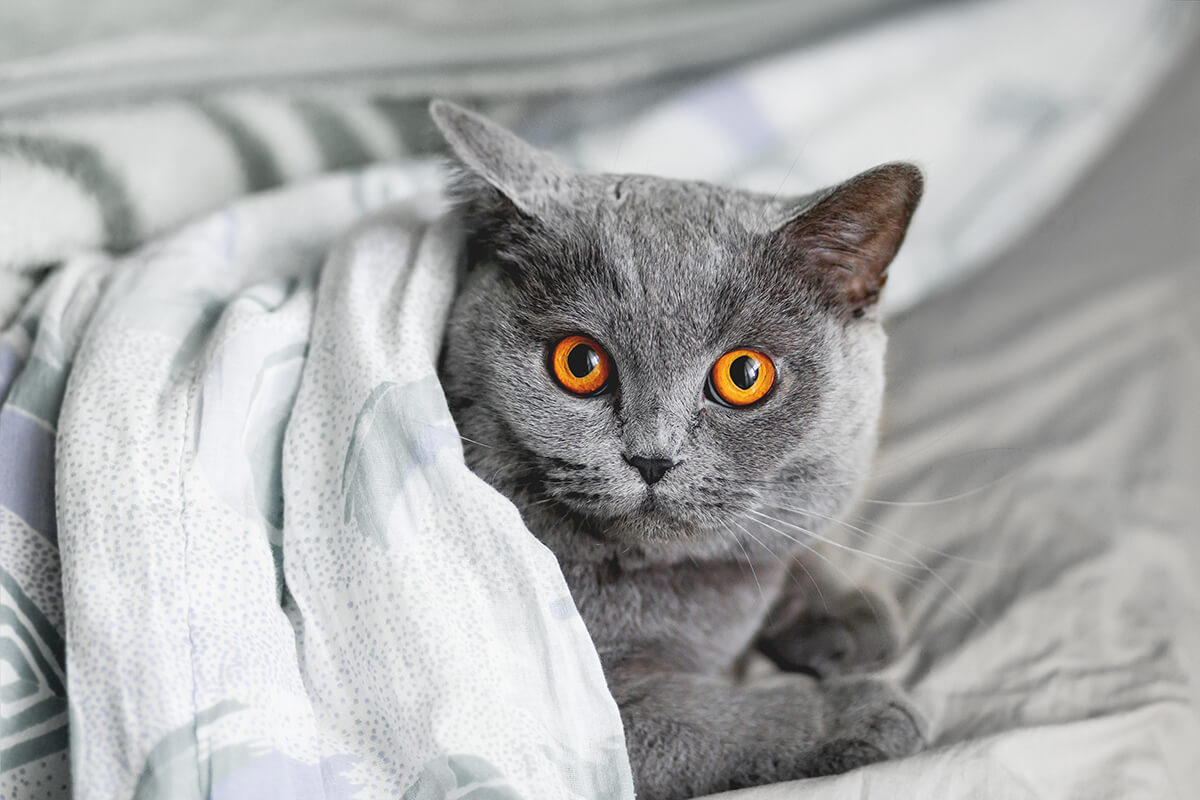
British Shorthair cat overview
Often called “The Teddy Bear of the cat world,” the British Shorthair is one of the UK’s most loved breeds and it is easy to see why. With their round faces, plush coats and calm nature, these beloved cats have won over families across the country. In fact, the Governing Council of the Cat Fancy consistently ranks the Shorthair among the most popular pedigree breeds.
While their cuddly appearance might suggest they’re constant lap cats, it’s worth knowing what to expect. The British Shorthair personality is affectionate but independent. They enjoy being close to their owners, but usually prefer sitting beside you rather than on you. Think of them as loyal companions who like their own space, always nearby, but rarely clingy. This balance is one of the most charming British Shorthair characteristics.
The typical British Shorthair lifespan ranges from 12 to 20 years, meaning you can look forward to many happy years together. Whether you’re welcoming a playful British Shorthair kitten or adopting an adult cat, this breed tends to adapt well to family life and different home environments.
In this comprehensive guide, we talk all about the Shorthair, covering the following:
History and origin
Characteristics
Grooming and hygiene
Behaviour and training
Mental and physical needs
Nutritional requirements
Suitability for families
Finding a breeder
Health considerations
FAQs
Breed history and origin
The Shorthair has a long and fascinating history. It’s widely believed that the breed’s ancestors arrived in Britain with Roman invaders nearly 2,000 years ago. These cats were valued for their ability to control rodents, both on ships and on land. Over time, they bred with local wildcats, developing the sturdy build and thick coat we associate with the modern Shorthair cat.
However, the breed as we know it today was refined during the Victorian era, when breeders began refining the British Shorthair characteristics. In fact, in 1871 this breed was presented at the first-ever cat show in London.
While there was a shortage in breeding stock during both World War I and World War II, breeders worked hard to maintain the Shorthair breed and today it remains one of the UK’s most established and recognisable breeds.
Key characteristics of the British Shorthair cat breed
British Shorthair characteristics are exceptionally unique, which sets the breed apart from other cat breeds. With their round faces, strong build and plush coat, their striking beauty is hard to miss - and only due to their medium-large size. The British Shorthair personality also does not disappoint, as they are particularly relaxed and affectionate pets. They develop strong bonds with their human companions, but are just as comfortable being independent. Given their calm temperament, these cats are suitable for families with children, as well as indoor living.
Physical characteristics of the British Shorthair cat breed
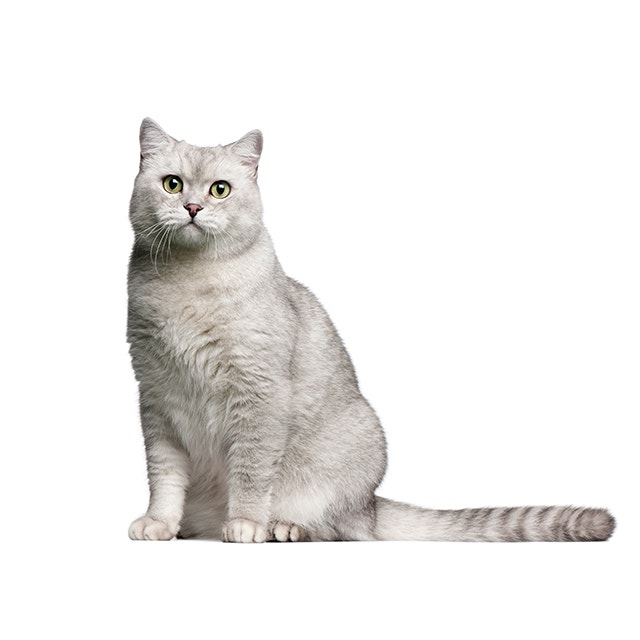
Part of what makes the Shorthair cat so popular is its instantly recognisable look. These cats have what breed standards describe as a “cobby body”, meaning a compact, muscular build with a broad chest, short strong legs and a sturdy frame. Males in particular tend to appear powerful and solid, while females are slightly smaller but still well balanced. Overall, they are considered medium to large in size, with females weighing around 3 to 6 kg and males between 4 to 8kg.
The coat is another defining feature. Although short, the Shorthair cat has a dense double coat with a crisp, firm texture. This density, rather than softness, is what creates the breed’s signature plush, teddy bear-like appearance. The thick coat stands slightly away from the body, giving this breed its rounded outline.
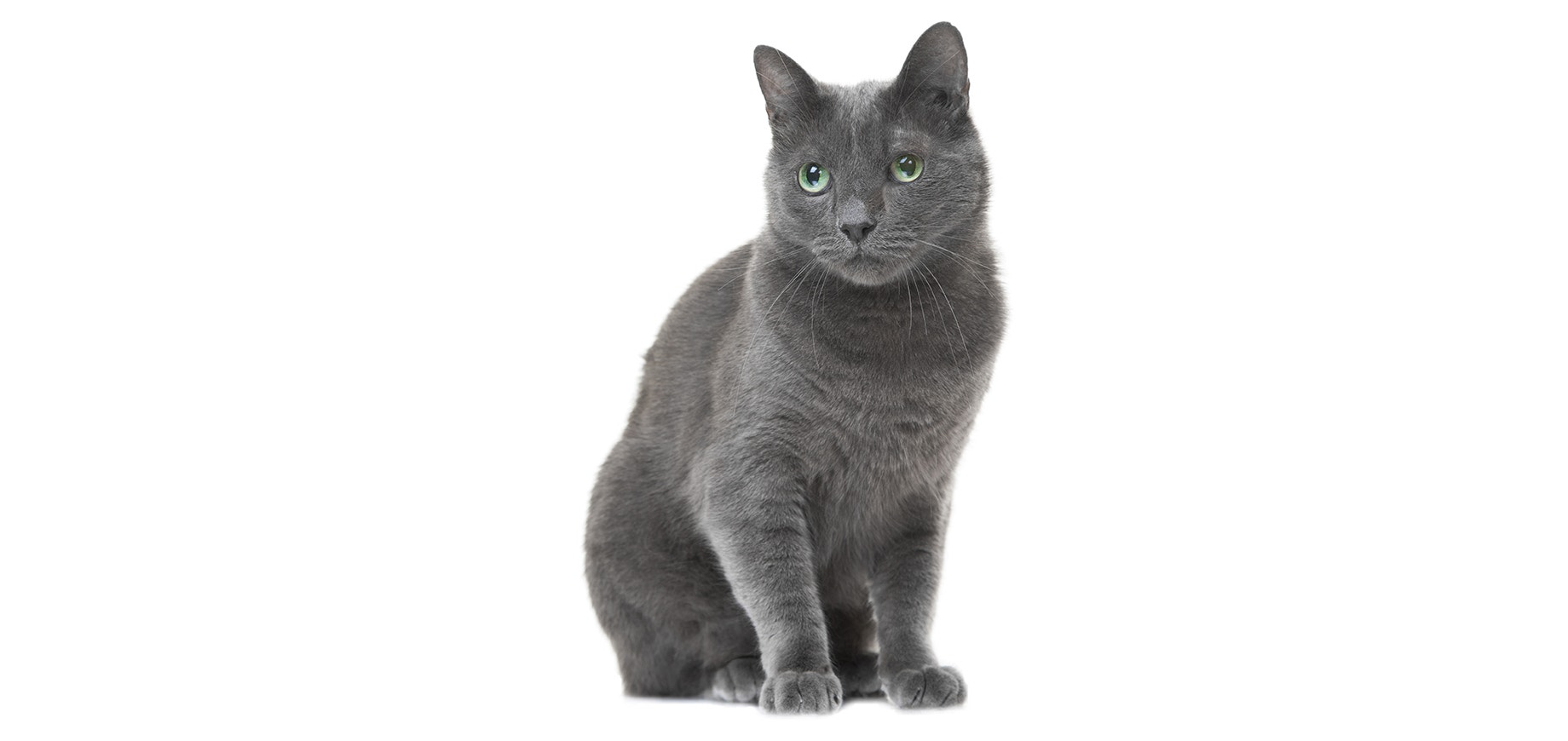
While the classic blue-grey colour is most often associated with the breed, British Shorthairs come in a wide range of shades including white to black, cream, lilac, red and chocolate brown. Patterns can include tabby, bicolour and colour-point varieties.
Notable characteristics such as their rounded cheeks, wide-set eyes and small rounded ears create a plump appearance. These distinct British Shorthair characteristics give the breed its sweet, calm expression that so many owners love.
British Shorthair cat’s grooming and hygiene needs
Although the Shorthair is a short haired breed, their dense double coat is thicker than many people expect. They have a dense double coat, which means regular grooming is still important. Brushing once a week helps remove dead hair, keeps the coat in good condition and supports a healthy British Shorthair lifespan.
Seasonal moulting typically happens in Spring and Autumn. During these heavier shedding periods, daily brushing is recommended to prevent loose fur building up and to reduce the risk of hairballs. A soft-bristled brush, grooming mitt or fine-tooth comb works well for a British Shorthair cat. Learn more about cat grooming for best results.
Since most cats hate water, being bathed can be a stressful experience for them and therefore should be avoided unless absolutely necessary. These cats are quite effective at licking themselves clean, and there are other ways you can help maintain a healthy cat coat instead. If you do need to bathe your cat, make sure to only use cat shampoo and rinse thoroughly to avoid product build-up that can lead to an oily coat. Alongside coat care, regular nail trimming, ear checks and gentle eye cleaning help keep your cat comfortable and healthy.
British Shorthair cat’s behaviour and training needs
The British Shorthair personality is known for having a calm temperament and independent nature, which influences their training needs. These cats are affectionate in their own way, but they prefer to keep all four paws on the floor. Rather than constantly seeking cuddles, a British Shorthair cat will often show affection by following you from room to room, quietly supervising instead of demanding attention.
British Shorthair cats are very intelligent, so with consistency and patience, they can respond well to training. Simple commands such as ‘sit’ can be introduced using treats and praise as positive reinforcement.
The British Shorthair is also well suited to indoor living. Their relatively low prey drive means they are generally content inside, provided they have toys, scratching posts and regular play sessions.
Litter training a British Shorthair kitten is usually straightforward, as they are naturally clean and quick to learn. Socialising and playing with your cat will help them feel more confident around other pets and visitors.
If you experience challenges with cat behaviour, such as excessive meowing or scratching, use redirection with toys and scratch posts, while practising positive reinforcement techniques. You should never punish your cat as this can increase their stress levels and potentially lead to more unwanted behaviours.
Mental and physical engagement for British Shorthair cats
Given the intelligence of a Shorthair breed, cat parents will need to provide plenty of mental and physical stimulation for their overall well-being. This cat breed will benefit from a daily routine, with play opportunities and engaging activities planned. Not only will this prevent your cat from becoming bored and displaying unwanted behaviours, but it will also nourish their natural abilities and allow them to lead happy and fulfilled lives.
There are many ways to keep your British Shorthair cat stimulated. For example, puzzle toys that dispense treats will give your cat the opportunity to problem-solve, as well as hunt for their food. On the other hand, climbing structures and cat trees will not only promote exercise, but also allow your cat to explore their surroundings. This is especially important for indoor cats, who can otherwise be at the risk of obesity or boredom.
The British Shorthair personality, while not overly energetic, can be playful, so using appropriate cat toys such as laser pointers and ping pong balls will provide mental and physical engagement for them. Make sure to reward your cat with WHISKAS® Cat Treats as a delicious incentive for both playtime and training.
British Shorthair cat’s nutritional requirements
Cats are 'obligate carnivores', they need to eat an amino acid called Taurine within meat protein to survive. It is essential to feed a diet of high-quality cat food that is appropriate for their age, lifestyle and health. A complete and balanced diet of WHISKAS® Cat Food includes the correct amounts and ratios of proteins, fats, vitamins and minerals to support your British Shorthair lifespan.
Providing the right balance of protein, fats, vitamins and minerals helps support a cat’s overall health and wellbeing. These nutrients play an important role in maintaining muscle tone, supporting organ function and keeping the skin and coat healthy. They also help sustain energy levels throughout the day.
While there aren’t any specific dietary sensitivities in Shorthair cats, each individual cat is different and there may be cases where they develop an allergy or intolerance to certain ingredients. If this happens, you’ll need to consult a vet who will be able to advise on a hypoallergenic or specialised diet for your cat.
Hydration is equally important. Wet food contributes valuable moisture, while dry food can offer texture and variety. Fresh water should always be available. Because the Shorthair can be prone to eating quickly, puzzle feeders are a useful way to slow meals down, encourage natural foraging behaviour and help manage portion control.
Life stage breakdown:
- Kittens:
A growing British Shorthair kitten requires high-quality protein to support steady muscle development. This breed matures slowly — often taking 3–5 years to reach full physical maturity — so consistent nutritional support is essential. Taurine is particularly important at this stage, as it supports healthy heart and eye function. - Adults:
An adult Shorthair cat benefits from controlled calorie intake to help prevent excess weight gain. Nutrients such as L-carnitine can assist with healthy fat metabolism, while adequate taurine continues to support heart health. - Seniors:
As cats age, joint care becomes increasingly important. Diets containing glucosamine can help support mobility and comfort, alongside easily digestible protein to maintain muscle mass.
Are British Shorthair cats suitable for families?
The British Shorthair personality is often described as calm, gentle and sweet, which is why the breed is considered to be highly suitable for families. Since they are affectionate, they form strong bonds with their family members and enjoy spending quality time together. Their laid-back temperament also means they can be patient around children.
Another part of the British Shorthair personality is to be independent, which means they don’t need constant engagement. Typically, these cats won’t follow you around the house and are content to be left alone for short periods of time. Shorthairs are also quite adaptable to their environment and social setting. As long as they have had a period of socialisation, they just need gradual introductions to become comfortable wherever they are and a space to retreat when they feel overwhelmed.
Finding a responsible breeder for British Shorthair cats
Finding a reputable breeder is essential when choosing a British Shorthair kitten or adult cat. Responsible breeders prioritise health checks, genetic screening and early socialisation to support both strong British Shorthair characteristics and a stable temperament.
A trustworthy breeder of British Shorthair cats should be transparent, provide full health documentation and allow visits so you can see where the kittens are raised. They should also be open to questions about diet, care and the expected British Shorthair lifespan, ensuring you feel confident bringing your kitten home.
Genetic health considerations
British Shorthair cats are known to be one of the healthiest cat breeds. However, there are some health conditions, although rare, that may be worth asking your breeder about. These include:
- Hypertrophic Cardiomyopathy (HCM) is a common heart condition which thickens their heart muscles and can lead to heart failure or sudden death. Symptoms may include lethargy, laboured breathing, weakness or sudden collapse.
- Polycystic Kidney Disease (PKD) is when the kidneys develop fluid-filled cysts which can affect function and lead to kidney failure. Signs can include increased thirst, frequent urination, weight loss and reduced appetite.
- Feline Hereditary Myopathy (FHMC) affects muscle function causing weakness, tremors and mobility problems.
- Progressive Retinal Atrophy (PRA) is an eye disorder that affects the retina, leading to vision loss and potentially blindness.
- Primary Lens Luxation (PLL) can cause ligaments holding the lens of the eye in place to become displaced, resulting in painful eye inflammation and vision loss.
Genetic testing allows responsible breeders to screen for these conditions, helping protect the long-term British Shorthair lifespan. Visiting the vet and organising regular check-ups are essential for early detection and prevention.
Obesity Risk
An additional health concern for the Shorthair is weight gain. Their calm, sometimes “couch potato” nature combined with a dense coat means excess weight can be easy to miss. Owners should gently feel for a visible waistline and be able to detect ribs beneath the fur without pressing firmly. Maintaining portion control and encouraging interactive play supports a healthy body condition and preserves key British Shorthair characteristics, such as their strong, balanced build.
Is a British Shorthair Right for You?
- ✔ Yes: if you want an independent, apartment-friendly companion.
- ✔ Yes: if you’re a busy professional looking for a calm cat that doesn’t demand constant attention.
- ✔ Yes: if you appreciate a steady British Shorthair personality and quiet companionship.
- ✘ No: if you want a constant lap cat that enjoys being carried frequently.
- ✘ No: if you cannot manage regular brushing during heavy moulting periods.
- ✘ No: if you’re unable to monitor diet carefully to prevent weight gain.
British Shorthair cat: FAQs
Are British Shorthair cats good pets?
Yes, the Shorthair is known for its even temperament and adaptability. These positive British Shorthair characteristics make the breed well suited to families, couples or individuals seeking a calm, moderately active companion animal.
Why are British Shorthair cats so expensive?
The price of a British Shorthair kitten reflects responsible breeding practices, including genetic screening, veterinary health checks and early socialisation. Reputable breeders invest in preventative healthcare to protect the long-term British Shorthair lifespan, which contributes to the overall cost.
Do British Shorthairs like to be held?
Many Shorthair cats tolerate handling, but they are not typically highly demonstrative in their physical affection. The average British Shorthair personality and individual temperament will vary depending on early socialisation and environment.
How much does a British Shorthair cat cost?
A pedigree British Shorthair cat generally costs between £500–£2,000, depending on lineage, breeder reputation and coat colour. Prospective owners should also factor in routine veterinary care, insurance, nutrition and grooming costs.
Why are British Shorthairs not cuddly?
The British Shorthair personality is affectionate but independent. Many are less tolerant of prolonged handling, as sustained restraint can cause mild physical discomfort. Their dense double coat also provides strong insulation, which can lead to heat retention during close contact. Instead of constant cuddling, a Shorthair usually prefers low-key affection, such as sitting nearby or following you from room to room.