

All About Chinchilla Cats & Why They Win Hearts Everywhere
With their shimmering coat, striking eyes, and serene temperament, the ethereal Chinchilla cat is considered a luxurious and rare Persian breed. They’re known to be ideal indoor companions and suitable for both families and individuals who prefer calm and affectionate pets.
In this article, we talk all about the Persian Chinchilla cat, including the breed’s history, physical and personality traits, grooming and hygiene tips, behaviour and training needs, enrichment ideas, nutritional requirements, and suitability for different households.
Breed history and origin
Carefully bred in the United Kingdom in the early 20th century, the Chinchilla cat was a refined variant of the Persian breed and popular among Persian enthusiasts worldwide. Unlike naturally occurring breeds, Chinchilla Persians were selectively bred for their temperament and because breeders wanted to showcase the notorious coat of a Chinchilla cat, since the silver-tipped hairs make their fur look shimmering. Compared to the standard Persian, which usually has darker or one-coloured coats. Chinchillas have lighter fur and a more defined face. With a lifespan of between 12-15 years, this breed tends to make great family pets.
Key characteristics of the Chinchilla cat
Known for their hallmark traits, the Chinchilla’s calm temperament and affectionate nature go with their quiet and regal demeanor. They are extremely intelligent and sociable and can form strong bonds with their human companions. Given their gentle characteristics, they thrive best in peaceful homes with adults or older children where their energy can be matched.
Besides their relaxed personality, the Persian Chinchilla cat is known for their captivating appearance: their shimmering coat and vibrant green or blue-green eyes. However, their eye-catching looks will need maintenance, so you’ll have to spend plenty of time and patience on regular grooming. Also, given that the Chinchilla’s temperament is normally quite subdued, if you notice any huge changes in their behaviour, such as increased aggression, withdrawal, or vocalization, this can indicate a health issue. Make sure to take your cat to the veterinarian if you’re concerned.
Physical characteristics of the Chinchilla cat
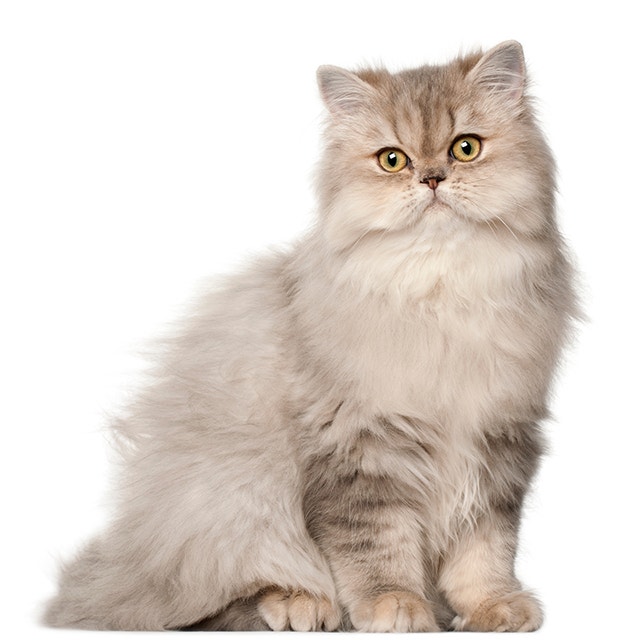
The Chinchilla Persian has a medium-sized and cobby body shape, similar to that of Persian cats. Their moderate and muscular build, along with their short but strong legs and paws, gives them a sturdy frame. In terms of facial features, Chinchilla cats have more gentle, soft, and expressive facial features, with their large eyes, round head and small ears, compared to traditional Persians.
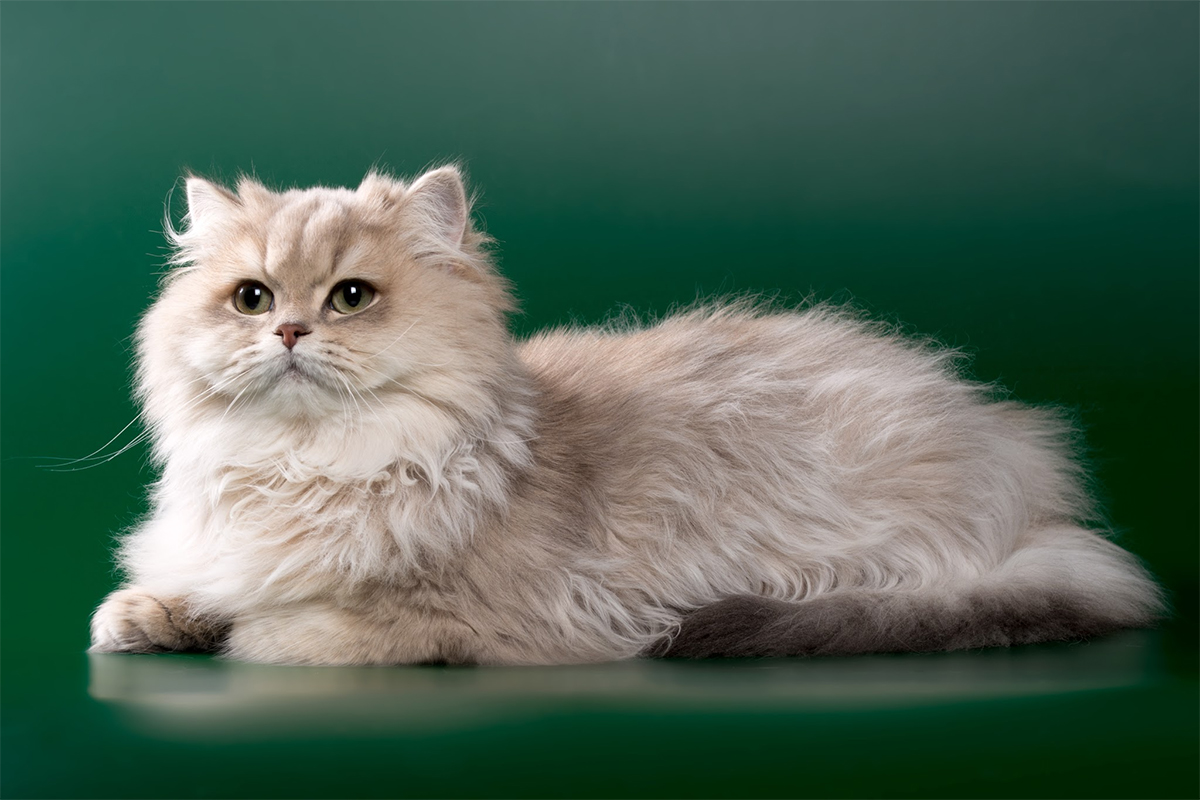
Of course, what Chinchillas are known for is their long, dense coat that has a distinctive silver or golden undercoat with black, dark silver, or gold tips that give a shimmering effect in the light. However, this coat will require special attention to maintain its texture and sheen, which we discuss further below. Besides their coat, the Persian Chinchilla cat has dazzling eyes that are bright green or blue-green, framed with dark markings that look like eyeliner, creating a captivating gaze.
Grooming and hygiene needs
While the Chinchilla cat’s flowing coat is wonderful to look at, it does require a lot of maintenance. With its long length and density, their coat is prone to matting and tangling without regular care. The knotted fur can then lead to discomfort and even skin issues. It’s important to brush your Persian Chinchilla’s coat daily with soft, fine-toothed combs and gentle brushes. By regularly grooming your cat, as well as the occasional bath, you can keep their coat’s lustre, reduce shredding, remove debris, and also support healthy skin. Bathing also helps clean the fur under the tail and around the bottom.
Like Persian cats, Chinchillas may also be prone to tear staining as their eyes get watery, so part of their hygiene needs include daily but gentle eye wiping. It’s also important to regularly clean your cat’s ears and clip their nails to ensure overall hygiene. We list some more grooming tips below:
- Use gentle, natural shampoos designed for cats.
- Invest in a soft slicker brush and a metal comb.
- Schedule regular grooming sessions to build trust.
Behaviour and training needs
Known for their mild-mannered personality, the Chinchilla’s relaxed temperament means they are very adaptable to indoor living and don’t tend to have destructive behaviours. They make peaceful companions and prefer quiet over chaos. This also means they’re unlikely to be aggressive or demanding.
Persian Chinchillas are also very intelligent and have a willingness to learn. Responding well to positive reinforcement, your new feline friend will be very responsive to training. Whether it’s litter training, basic commands, or gentle handling, as long as you’re patient and consistent, your cat can learn desired behaviours.
Like any breed, it’s important that your cat experiences early socialisation to improve their confidence and reduce shyness. This will make them feel better and behave well around visitors or other pets. If there are any negative behaviours like scratching, you can provide scratching posts and reward them when they use them. While Chinchillas are usually quiet, they may vocalise excessively for attention or food, so make sure their needs are met and use redirection if necessary.
Playing with a Chinchilla cat
For a Chinchilla cat’s temperament, you’ll need to find gentle play activities that match their calm personality rather than high-energy activities. Find engaging cat toys and games to help your cat play and learn, like chasing teaser wands, using interactive toys, and exploring puzzle feeders. Chinchilla cats will also benefit from low-impact climbing structures with soft surfaces, without risking injury or causing stress. Make sure to keep it simple, as otherwise, Chinchillas can get frustrated.
Persian Chinchilla cats also need mental stimulation to prevent boredom and promote their well-being, without overwhelming them either. Instead of long and intense games, have short and regular play sessions, as this will be more beneficial to them. Make sure to respect their slower and delicate nature by being gentle and using quiet toys. You may need to motivate them to engage, as Chinchillas are not too bothered about exercise and can get lazy.
Nutritional requirements
Cats are obligate carnivores and benefit from a meat-based diet with the correct amounts and ratios of nutrients, vitamins, and minerals, like WHISKAS® wet food. Given their gorgeous coat, your Chinchilla cat will need a balanced diet that supports healthy skin and coat. For this, there’ll need to be sufficient protein and fatty acids available to maintain the coat’s luxurious sheen and texture. However, Persian-type cats, including Chinchillas, can be prone to food sensitivities. Depending on veterinary guidance, your cat may need a hypoallergenic or grain-free diet.
Hydration is also an important factor in your cat’s overall health and coat condition, so always provide access to fresh water. Wet food can help with your cat’s water intake too which is important to maintain urinary tract health. In terms of mealtimes, how many times a day you feed your cat depends on their age, lifestyle, and weight. Since Chinchilla cats are moderate in their exercise, make sure to monitor their weight and adjust feeding amounts if necessary, including treats. Always consult a veterinarian if you’re concerned.
Suitability for families
Since the Persian Chinchilla has an affectionate nature and calm temperament, they are well-suited for quiet family homes. They’ll thrive better with older children who can understand how to respect a gentle pet’s needs, compared to loud noises and rough play. Chinchilla cats thrive on companionship and like to form deep bonds with their families. They appreciate love and attention as long as it respects their boundaries and mild personality. It also helps to build their confidence and your trust bond.
Chinchillas are very adaptable to indoor living, although they can also benefit from limited outdoor access. By staying indoors, you can protect your Chinchilla’s coat and overall health by avoiding accidents, damage or parasites. This breed can also get along with other pets and new family members if properly introduced and well-socialised from an early age. Just make sure to be patient and introduce them slowly as they adjust. It can also help to provide a safe space they can retreat to, as well as manage interactions to prevent stress.
Frequently Asked Questions about the Chinchilla cat
Are Chinchilla cats good pets?
Yes, Chinchilla cats make good pets since they are affectionate, calm, and gentle in their nature. They like quiet family homes with older children or people who match their serene personality. They form deep bonds and solid companionships with their pet parents, as long as you are patient and loving.
What kind of cat is a Chinchilla?
A Chinchilla cat is a rare variant of the Persian cat breed, and was bred mainly in the United Kingdom. They are of medium size with a sturdy body but a gentle face. Known for their distinctive long and shimmering coat and calm nature, their beauty is admired worldwide.
How can you tell a Chinchilla cat?
Chinchilla cats stand out with their luxurious coats that are either silver or golden and have darkened tips, creating a sparkling effect. Their large eyes are distinctive with their bright green and blue-green colours. Unlike Persian cats, they have a softer face and a rounder head.
Overall, the Persian Chinchilla is an excellent choice of breed if you’re looking for a family cat or friendly companion. Besides having a stunning feline friend to admire, you’ll enjoy spending quality time together, whether it’s a gentle play or a daily grooming session. Although Chinchillas can be high-maintenance in terms of their coat, their low activity levels can balance this out. If you’re looking for something different, check out similar cat breeds below or head over to our breed finder page for other options.