

Meet the Moggy cat
A Moggy (also known as a ‘House cat’, ‘Domestic shorthair’, ‘Domestic long-haired’ or ‘Moggie cat’) is a non pedigree or mixed breed, popular all over the world, and the most common type of domestic cat in the UK. As they can be a mixture of many different breeds, genetic heritages and backgrounds, Moggies come in all sorts of shapes, sizes and colourings, with different coat lengths and personality types. In spite of being low-maintenance, with loving and friendly natures, unfortunately many can be found in animal shelters. However, they make wonderful, spirited and loyal pets. But exactly what is a moggie cat and what makes them so special? In this article we’ll look at their history, health, common features and fun facts about Moggies, as well as how to take care of them.
A look back in time: Moggy cats' origins
Although people may ask what is a moggie cat breed, the term itself comes from British slang (thought to have originated from ‘mongrel’, ‘mutt’, or ‘mouse catcher’), potentially descended from the African Wildcat around 8,000 BC. Because the name encompasses all cats who aren’t pedigree or a single breed, it covers the vast majority of pet cats. Moggies often come from a natural breeding process, rather than the selective pedigree practices. However, a mix of different breeds does not mean a Moggie cat can be any less beautiful, friendly or special than a purebred. In fact, because they’re not bred for specific appearances or characteristics, they tend to be versatile, robust and more varied in their looks. Their genetic diversity helps to avoid hereditary health issues which purebred cats can have, and their eclectic ancestry can mean they have truly unique markings and colourings.
Distinctive features and traits
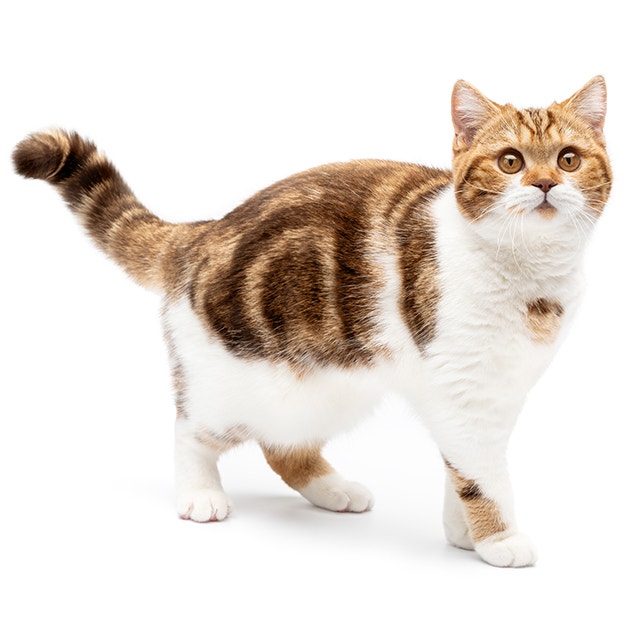
As Moggies come in all sorts of shapes, shades and sizes, their coat length, eye colour, and build can be completely distinctive to an individual cat. From tabbies to black cats, with blue eyes or green, there is no standard Moggy appearance - which is what makes each so unique. However, they are commonly a medium sized cat, known for being independent and loyal, but with equally varied behavioural traits as physical. Some may inherit sociable and affectionate personalities from their ancestors, whereas others may be more shy and retiring. Their versatility can mean they make excellent pets for homes with children and other animals, or as a companion for solo households, and with the correct care and attention they can make devoted and rewarding pets.
Caring for a Moggy cat
Moggie cats are famously easy to care for, and are known to generally have good overall health. Just like all cats, they need a safe and loving home, a cosy bed, an indoor space to sleep at night time, sustenance, hydration, and stimulation and exercise through play. If you’re wondering what is a moggie cat’s favourite food, most thrive on a well balanced, age-appropriate diet at regular mealtimes, which meets all their nutritional needs. They also need fresh water to drink, and regular grooming to help their coat stay sleek and reduce the risk of hairballs. Some moggies often need less specialist care than many purebreds, making them a popular choice for new cat owners, busy households, and those with families. Don’t forget that your pet will also need their vaccinations, a collar and microchipping, plus annual vet visits for health checks.
Common health considerations
Moggie cats frequently benefit from their mixed-breed genetics, and are generally considered to have fewer inherited health conditions than some pedigree cats can have. However, like all cats they may face dental issues, obesity and the risk of kidney disease, which is why it’s important to take them for annual vet check ups even if they appear healthy. With the proper care, a Moggy can live a long, healthy and happy life, bringing their owners many years of love and companionship.
How long do Moggy cats live for?
The average lifespan for Moggies is commonly between 12 and 18 years of age. Their longevity can be influenced by their lifestyle, nutrition, veterinary care and genetics. Although cats who spend more time outdoors can be more at risk of injury or accidents, and indoor cats can be at risk of obesity without ensuring they get regular exercise, many owners find a balance which can help keep their cat active and naturally adventurous whilst staying safe. In fact, with the correct care and attention, a Moggy can often live into their twenties.
Fun facts about Moggy cats
Moggie cats can make fascinating, loving and low-maintenance pets who can bring warmth, joy and a big personality to a household. Did you know:
- A Moggy is a common catch-all term in the UK for mixed-breed or non-pedigree cats.
- They're thought to have descended from the African Wildcat, around 8,000 BC.
- Most rescue cats are Moggies, looking for their forever home.
- Every Moggy is unique, with no two exactly the same!
- The average Moggy cat sleeps for 12-16 hours a day.
Conclusion
Despite their less-than-glamorous name, Moggies make a fantastic addition to the family, and every one is a truly unique cat in both looks and personality. Known to be loving, resilient and independent, they make up the majority of cats in animal shelters, and can be just as rewarding as adopting a purebred or pedigree cat. If you’re looking for a robust and easy to care for pet, a Moggy may be the perfect choice, thanks to their mixed genetic background. They may live longer, suffer from fewer health problems, and require less specialist care than purebred cats. To find your perfect pet partner, try your local animal adoption organisation. Your new furry family member is sure to be a special and big-hearted companion for single households or busy family homes.
Frequently asked questions about Moggy cats
Why do British call cats moggies?
The term ‘moggy’ is UK slang for a mixed breed or non pedigree cat, and is thought to have originated from the words ‘mongrel’, ‘mutt’, or ‘mouse catcher’. Some also think the word was originally related to stray cats, inspired by the nickname ‘Maggie’ meaning a scruffy older lady.
Is a tabby cat a moggie?
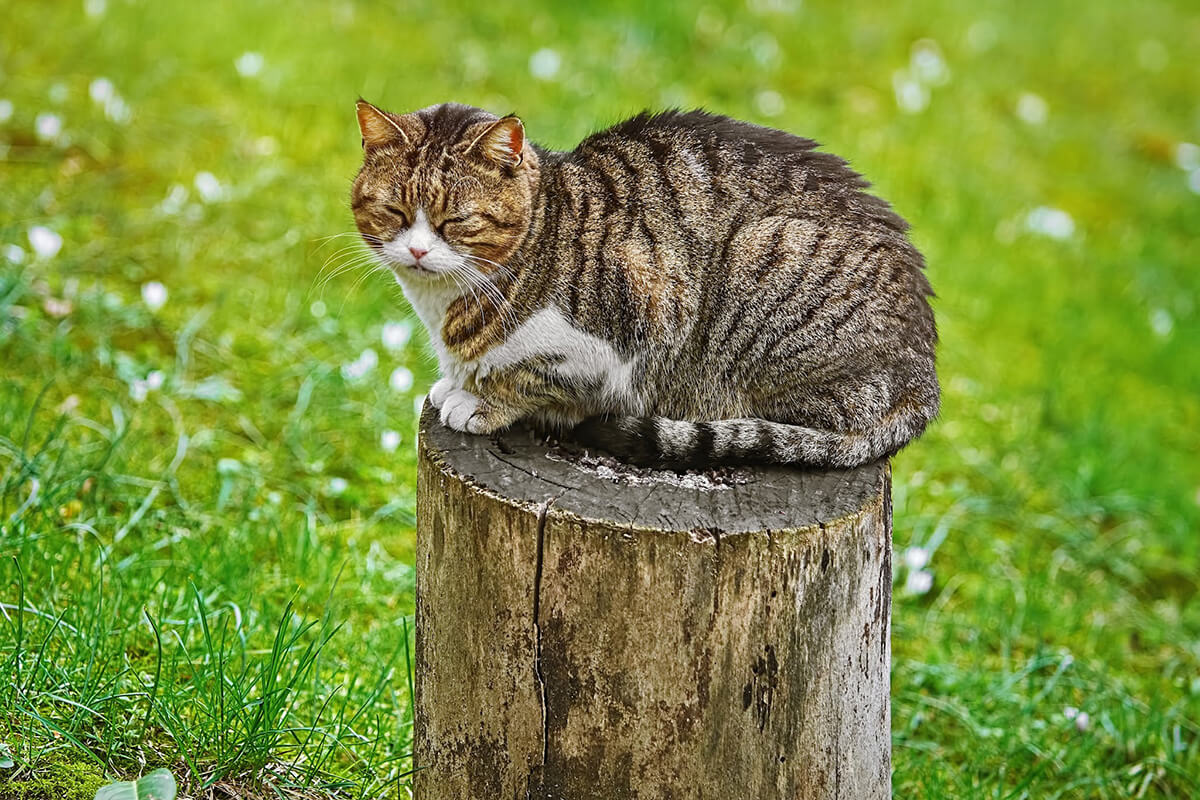
A tabby cat can be a moggie, and it’s common for mixed breed or non-pedigree cats to have tabby colouring and patterned fur. A tabby in itself isn’t a breed, but the appearance of the cat’s coat. Some pedigree cats, such as British Shorthair and Persians, can also be tabbies.
Is my cat pedigree or moggy?
If your cat is a mixed breed, or non-pedigree, it’s likely to be a Moggy. Pedigree cats should have documentation to prove their breed, and be registered with a cat breed organisation. Moggies can make loyal, loving pets, and are frequently in need of adoption from rehoming centres.