Why is my cat purring loudly?


Enter a keyword below to search for articles and products.

There are several reasons your cat may purr loudly, from happiness and relaxation to self-soothing or signalling a potential health issue. We’ve probably all heard our best furry-friend purring away softly whilst they enjoy their favourite WHISKAS® cat food, but you may be wondering: why is my cat’s purring so loud, why is my cat purring so much all of a sudden, and should I be worried about unexpectedly loud purring in cats?
In this article, we’ll cover:
Cats, like humans, are all different; and some are much more vocal than others. For example the loudest cat recorded reached an impressive 54.6 decibels! Your cat may not be quite so noisy, but the reasons why cats purr can also vary from cat to cat. When it comes to purring and pet behaviour, it’s important to get to know your cat to work out what’s normal for them and what’s not.
Purring is one of those distinct cat noises and sounds, and it’s a clever form of cat communication created by rapid muscle contractions within their voice box, diaphragm and chest muscles - coupled with the movement of air as the cat breathes in and out - to create that well-known vibrating sound.
Some cats purr more loudly than others, and with different vibrational frequency and pitch, often due to their breed, mood, age, or unique vocal abilities. Purring levels are not usually connected to their size - small cats can sometimes purr more loudly than larger cats! Maine Coon cats are known to have quieter purrs, which most experts think comes down to their thick fur absorbing some of the sound.
A cat purring loudly commonly means that your kitty is signalling that they’re relaxed and happy, but keep an eye on their body language. Some pet owners don’t realise that their cat may also purr to self-soothe, when stressed or anxious, or if they are in pain or discomfort. If they appear agitated, if their usual purr sound changes, or they don’t seem relaxed as they purr, they may need to be checked over by a vet.
Purring levels not only vary between individual cats, but your cat will likely exhibit different purring sounds depending on their mood. If you’re wondering: why is my cat purring so loud sometimes, whereas other times they purr more softly? Soft purrs may be a more subtle sign of contentment and relaxation, whereas loud purring may be down to extreme happiness at being stroked in their favourite spot. Confusingly, though, loud purrs can occur if they’re feeling stressed, poorly, or they’re trying to signal to you that they want food or water.
Here are some of the key kitty purr levels and meanings:
Different breeds can have different levels of purring, and Siamese cats are well-known for being a vocal breed who may vocalise regularly and may purr loudly, and more often, than some others. A cat’s age may also affect their purr; as the sound is made by muscle movements, healthy adult cats may purr more loudly than kittens or elderly cats.
All cats have their own unique vocal range, but some naturally purr more loudly than others. Loud purring in cats isn’t necessarily something to worry about if they always purr loudly when they’re happy and relaxed, but it’s worth noting if their purr changes in pitch or occurs when you wouldn’t usually expect it.
A common answer to the question of why is my cat purring so loud sometimes is that your cat is showing you their contentment, or they’re trying to signal something else. Here are some of the usual causes of a cat loudly purring.
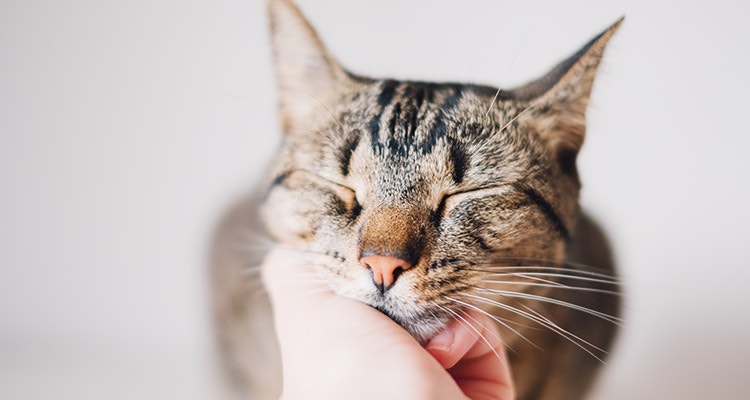
Loud purring in cats can be a signal of true contentment. Most cats love affection from people they know, and pretty much all cats love dinner time, so they like to let you know about it! Purring is part of the unique cat-human bond which builds between you, and it’s an effective way for them to show you their happiness when they’re in a positive emotional state - and encourage you to keep doing what they enjoy!
Some cats love a little game, but you may wonder, why does my cat purr so loudly when they play? Cats can use purring to show their positive emotions, which often happen when you give them attention and entertainment. Physical stimulation is known to be a key cause of purring in many cats, whether it’s playing or stroking.
A sick cat's purring may indicate pain, stress, or a self-healing mechanism, so observe for other symptoms like lethargy or loss of appetite and consult a veterinarian for diagnosis and treatment.
Purring is a great way for cats to get what they want. Many owners find the sound soothing and calming, and it can help to build trust together. Although you may love your cat snuggling up with you when you watch TV, you may not want them jumping on you and purring whilst you’re trying to work or sleep. It’s important to establish a good routine and implement boundaries if you find the attention-seeking purring a little too much.
Although some cats purr when they eat, others may purr beforehand to indicate what they want. If you’re wondering why is my cat purring so much before a meal, it may be that they’re trying to encourage you to speed up the slow service. A hungry cat loudly purring may be accompanied by some gentle head rubbing on your legs and loud meowing.
Many cats find purring a source of comfort. If cats feel stressed, threatened or anxious, some cats may begin loudly purring to self-soothe. If your cat is purring, but this isn’t accompanied by relaxed body language, it’s worth observing them to see if there’s something upsetting them. The presence of another animal in the garden, different furniture or a new baby in the house can lead them to feel on edge, so they may need extra reassurance.
Kittens are known to purr when they’re small to communicate with their mother. Mother cats will purr back, especially when they are nursing their babies. This heart-warming sound can continue into adulthood as your cat communicates contentedly with their human family.
Fascinatingly, purring is known to bring both physical and mental benefits to pet owners, too. But exactly how does a cat’s purring help humans? The soothing sound and low frequency vibrations are thought to offer a soothing noise to ease tension, and the comforting, rhythmic sound is almost meditative, encouraging a therapeutic and calming environment. Experts believe the sound, as well as the warm bonding experience as you relax together, can help to lower blood pressure, reduce anxiety, and release ‘happy hormones’ whilst your pet offers you companionship, comfort and trust.
If your pet’s loud purring is part of their usual pattern of cat behaviour, there’s often nothing to worry about. It’s important to understand your cat’s needs and body language though to make sure there’s nothing else that they’re trying to tell you. If your cat seems stressed or anxious, try creating a calm environment and removing whatever it is which may be upsetting them. If this doesn’t work, and your cat is purring loudly for no obvious reason, or they purr when they don’t seem happy, it may indicate a problem.
If you’re wondering why is my cat purring so much for no obvious reason, you may need to consult a vet to rule out a health issue. If they aren’t doing their usual purr when they enjoy their breakfast, or when they snuggle up for a cuddle, try to observe them to see if there might be something else wrong.
If they’re showing any signs of injury, problems with breathing, unusual behaviour, if they go off their food, or seem suddenly very timid, it’s worth taking your cat to the vet to rule out possible health concerns. For persistent or abnormal sounding purring, a vet trip is also recommended to put your mind at ease. If your cat is seemingly anxious whilst purring, a feline behaviourist may also be able to offer tailored help and support.
The soothing, purring noise of your furry friend as they curl up beside you is one of the great joys of being a cat owner. Generally, a cat loudly purring is nothing to worry about, particularly as cats’ purring levels vary between breeds and temperaments, and it is one of the clever ways in which they like to communicate with you.
It’s worth keeping an eye on any unusual sounding purring, or behaviour, as it isn’t always a signal of happiness, and can be a sign that they need your help. Being aware of their usual noises, habits and routine will help to build a strong bond between you as you understand one another’s needs. You can read more about the fascinating world of cat communication on our blog, including our articles for ‘why cats purr’ and ‘why cats meow;
The reason why cats purr loudly can be because they’re happy and content, or they feel stressed or unwell. Purring accompanied by relaxed body language when they’re getting attention, or enjoying their favourite food, is a good sign. But purring when they seem anxious can indicate a problem.
Some experts describe a cat’s stress purr as being more high-pitched than usual, and may be accompanied by wide eyes, showing their teeth, panting or tense body language. Some cats purr to self-soothe, so if they don’t seem relaxed or content they may be signalling that all is not well.
Sometimes cats may breathe slightly faster when purring, due to the hard work of all those muscle contractions to generate the sound. However, if your cat sounds wheezy, starts panting, has an open mouth, is overly sleepy, or off their food, consult your vet to rule out any illness.
Subscribe to our newsletter to receive a welcome discount, useful tips and exciting news about our products.
Discount code valid until 31.12.2026 on a purchase of WHISKAS® products on www.zooplus.co.uk. Zooplus minimum order £10, code cannot be used in conjunction with other offers or discounts. Code valid for one time use.


Click to buy from any of the retailers below