Why do cats meow?


Enter a keyword below to search for articles and products.
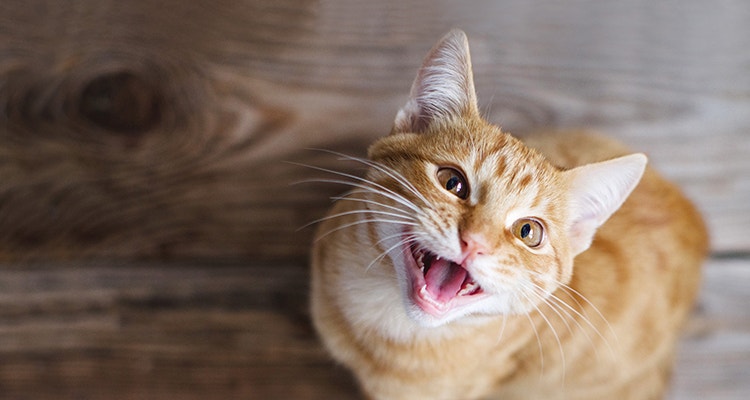

Why do cats meow? A cat’s meow is so highly esteemed in popular culture that it was coined to refer to something fabulous by American cartoonist Thomas A. Dorgan in the 1920s. While the sound has long fascinated people, a cat’s meow is actually a specialised form of communication. If you’ve ever wondered “what does it mean when a cat meows”, the answer usually relates to human interaction.
Cats have a variety of ways to communicate, including body language and a range of vocalisations. Oriental breeds of cat are known for their frequent vocalisation and actively meow during social interactions with people.
Kittens meow to communicate with their mothers, using the sound to signal hunger, discomfort or a need for warmth. As they mature, cats rarely meow at one another. Instead, adult cats have evolved to meow almost exclusively at humans as a learned behaviour. This shift highlights that meowing is primarily a form of cat-to-human communication, developed to gain attention, food or care.
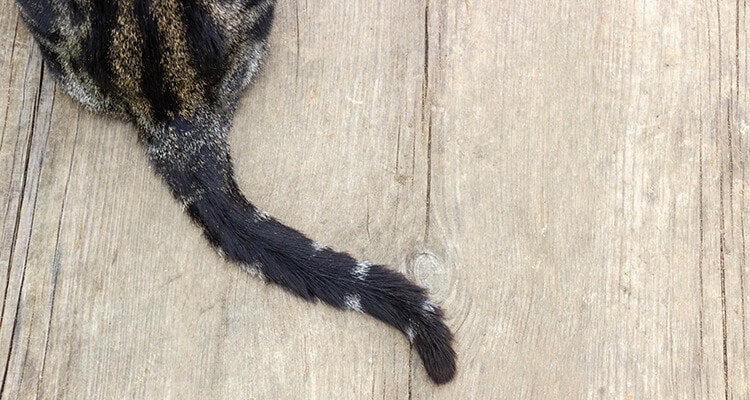
Meowing is just one part of feline language, alongside body posture, tail movement and facial expressions. Some breeds are naturally more vocal than others, but in most cases, when your cat meows, they are directing the message specifically at you.
If you’re asking “why does my cat meow at me”, the secret is to think of it as a translation exercise. Cats meow to communicate needs, attention, food, stress or discomfort. Understanding their combination of sound, body language, and situation helps you interpret the message.
Occasional meowing is completely normal, but if your cat begins meowing excessively or loudly at you, you should investigate. For example, cats in pain may appear tense, crouched or hunched. If a cat pins its ears back, it’s usually a sign they feel threatened, often alongside a deep, slow vocalisation, a twitching tail or a tail tucked between the legs.
So, why do cats meow? The key to understanding the message is context. Pay attention to:
By combining vocal tone with physical cues and situation, you can better answer the question: what does it mean when a cat meows?
Understanding the context and variations in meow sounds and accompanying physical behaviours can also help you interpret their needs and feelings more effectively and identify when they are sick.
One of the most common answers to 'why is my cat meowing' is attention. Cats who are left alone for long periods are more likely to meow for interaction, particularly if they feel bored or understimulated. Pick up their favourite toy and engage in a fun play session to see if this helps. Depending on your cat's personality, they may simply want your love and affection! You can cuddle with them or give them a brush to see if it helps their mood.
It's important to recognise subtle differences in their sounds and behaviour. Play meows are often short and upbeat, accompanied by trotting, toy-carrying or staring. Loneliness meows, on the other hand, can be a result of separation anxiety and may involve wandering from room to room while calling out repeatedly. Regular play sessions, enrichment and predictable routines can help reduce attention-driven and noisy cat vocalisation.
If you’re concerned about why your cat meows excessively or suddenly, potential health changes should be considered. It’s important to distinguish between a typical meow and a yowl.
A meow is usually shorter and conversational in tone. A yowl is longer, louder and lower-pitched, often sounding urgent or distressed. Yowling can be linked to pain, urinary issues, mating behaviour or cognitive changes in older cats. If vocalisation is paired with hiding, posture changes or loss of appetite, veterinary advice is recommended.
Excessive meowing could also be a sign of an underlying illness your cat is trying to make you aware of. For example, a cat experiencing urinary issues may start yowling while in their litter box.
In general, monitor your cat’s physical posture, ear position, and tail movement. Yowling or howling vocalisations may also mean your pet has been injured or is experiencing stomach issues or pain. If your pet is cowering, hiding or losing interest in the things they once enjoyed while excessively meowing, it may be time to take them to the vet for a check-up.
Your cat may be meowing at you because they are hungry. If you’re wondering “why does my cat meow at me” around the kitchen or at certain times of day, food is often the reason. Cats generally meow because they want something, and frequently that means to be fed.
Maintain a consistent feeding schedule to reduce food-seeking vocalisation. In the wild, cats eat several small meals a day, so offering morning and evening meals, along with controlled grazing or puzzle feeders, can help satisfy both appetite and mental stimulation. Learn more about how many treats a cat can have to keep their diet balanced.
Stress is another common reason owners ask, 'why is my cat meowing' so much. Cats are sensitive to environmental changes, and vocalisation can increase when they feel unsettled. Triggers may include moving house, new pets, builders, changes in routine or even the loss of a companion.
If your cat is meowing loudly at windows or in certain areas of the home, consider what may have changed. Providing a quiet, secure space and maintaining consistent routines can help reduce stress-related meowing.
If you’ve ever wondered, “what does it mean when a cat meows?” The answer depends on the type of sound they make and their current situation. Understanding the variation in tone, length and volume can also help you explain why cats meow and what they are trying to communicate.
Type of Meow | Description | Possible Meaning |
Short Meow: Soft, single and quick. | Quick and to the point. | A general greeting or 'hello'. Often heard when you enter a room. |
Long meow: Prolonged and more sustained | Drawn-out and louder than a short meow. | A request or demand. Commonly linked to hunger, attention or being let outside. |
Yowl/Howling Meow: Urgent and loud. | Longer, louder and lower-pitched than a typical meow. Sounds urgent. | May indicate pain, stress, mating behaviour or cognitive changes. Check for other signs of discomfort. |
If you’re exploring why cats meow, it will help you to understand other common feline sounds. Cats use a wide range of vocal cues alongside meowing to communicate their needs and emotions.
Understanding cat noises and sounds can help you answer what it means when a cat meows and how feline communication works more broadly for your cat.
If you’re repeatedly asking, 'why is my cat meowing so much?', the first step is identifying the cause. Sudden or persistent vocalisation can signal anything from boredom to illness, so observe patterns before trying to correct the behaviour.
Start by checking that your cat's basic needs are met. These include fresh water and regular meals, daily interactive playtime, a clean litter tray, as well as attention and social interaction.
Consider these additional factors:
If you have tried behavioural strategies and are still asking 'why is my cat meowing' excessively, it is time to seek veterinary advice to rule out underlying health concerns. Ongoing vocalisation linked to illness or stress is often accompanied by reduced interest in favourite activities. Watch for changes in appetite, weight gain or loss, grooming habits and energy levels.
Age is also an important factor. Senior cats may become more vocal due to cognitive decline or hearing loss. Confused cats may meow for reassurance, while those with hearing impairment may not realise how loud or frequent their meowing has become.
Cats don't cry emotional tears like humans. What sounds like ‘crying’ is usually a drawn-out meow or yowl used to communicate a need, distress or discomfort. If the sound is unusually intense, persistent or paired with behavioural changes (e.g., hiding, aggression or loss of appetite), it’s worth observing closely and consulting a vet if it continues.
If you want to understand your feline better and are still curious, “why does my cat meow at me”? Check out our article on cat communication and signs of a happy cat.
While kittens meow to their mothers, adult cats rarely meow at one another. Instead, cats rely on scent, posture and body language. Adult cats have evolved to use meowing almost exclusively to communicate with humans, particularly when they want attention, food or care.
Cats communicate affection primarily through body language rather than vocalisation. A slow blink signals trust and safety, while a gentle head butt marks you with their scent and reinforces bonding. Understanding these subtle cues is key when learning why cats meow and how cats express emotion beyond sound.
Meowing is an all-purpose communication tool. When asking what it means when a cat meows, the answer depends on tone, frequency and context. A short meow may be a greeting, while repeated or louder cat meowing can signal hunger, attention-seeking, stress or discomfort. Always interpret the sound alongside body language.
Subscribe to our newsletter to receive a welcome discount, useful tips and exciting news about our products.
Discount code valid until 31.12.2026 on a purchase of WHISKAS® products on www.zooplus.co.uk. Zooplus minimum order £10, code cannot be used in conjunction with other offers or discounts. Code valid for one time use.


Click to buy from any of the retailers below