Why is my cat sneezing a lot?


Enter a keyword below to search for articles and products.
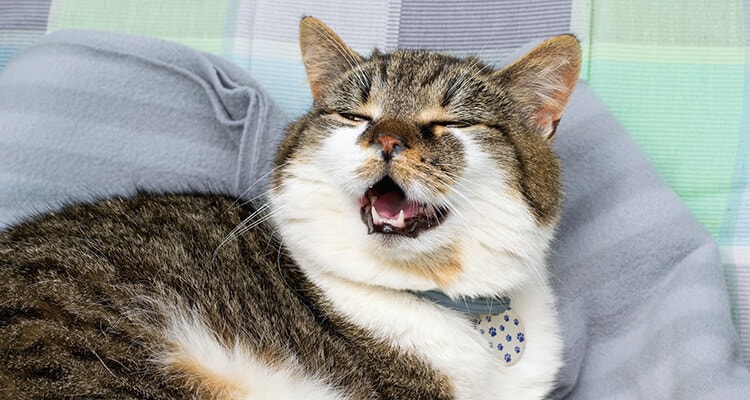

Cat sneezing generally happens for the same reasons we sneeze, such as simple household irritants entering their nose. The occasional achoo is no cause for concern; however, repeated bouts of sneezing may mean there is an underlying cause at play. If your cat is sneezing a lot, has a nasal discharge or keeps sneezing around certain areas of your home, it is time to investigate. Your cat may be suffering from allergies or an infection. In this article, we will break down all the causes of a sneezing cat.
Cat sneezing is often caused by irritants, URIs (viral/bacterial), foreign objects, dental disease, or allergies; persistent or severe symptoms warrant a vet visit for diagnosis and treatment.
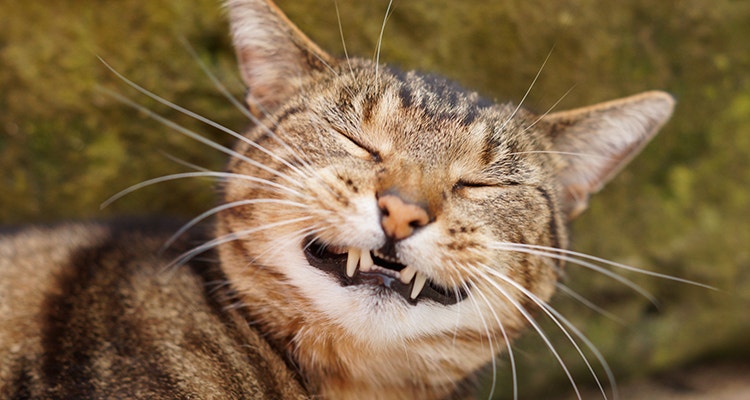
Noticing your cat sneezing occasionally is no cause for concern, as most of the reasons behind a sneezing cat are benign. Cat sneezing is a normal biological function; irritants such as dust, perfume, household cleaners, fabrics, litter dust, pollen and smoke can all cause your cat to sneeze. However, if your cat keeps sneezing a lot, you should take note of when and where your cat keeps sneezing. This will give you the insight you need into what is causing it!
Common environmental irritants such as dust, pollen and smoke may be the reason behind your sneezing cat. Cats can suffer from mild or more severe irritation from these irritants just like we can. For example, do you use a litter which creates dust and notice your cat is sneezing when they are using the litter tray? Swap out your litter for a low-dust version and see if this helps.
Cats can experience allergies, which can be caused by a variety of triggers such as food, pollen, fabrics, fur and mould. Monitoring when your cat sneezes is key to identifying the correct trigger. For example, does your cat frequently sneeze after being outdoors? This points to pollen being the issue and you should aim to keep your pet indoors when the pollen count is high or the grass is being cut. Allergies can be mild or more severe, with some cats even suffering from asthma, so it is important to monitor these bouts of sneezing. Sneezing can also occur if your cat has inhaled a 'foreign body' and a particle has stuck up its nose, so watch out for the cat rubbing its face on furniture or pawing at its nose.
Owners may not be aware that if your cat keeps sneezing and no environmental triggers seem to be the issue, it could point to dental problems. Tooth infections can irritate the nasal passage, which results in inflammation and sneezing. Taking care of your cat’s oral hygiene can help avoid this.
Viral upper respiratory infections, often referred to as cat flu, are one of the most common causes of persistent cat sneezing. This highly contagious condition affects the nasal passages and throat, leading to frequent sneezing fits as your cat's immune system tries to clear the irritation.
Alongside sneezing, a runny nose with clear or thick nasal discharge is incredibly common in cats suffering from the flu. You will likely also notice a reduced appetite, as a congested nose severely compromises their sense of smell, making food unappealing. In some cases, the infection can track further down the respiratory tract, causing coughing and general lethargy as your pet fights off the virus.
If persistent sneezing happens for several days without any improvement, it might be a sign of an underlying issue that a veterinarian needs to evaluate, such as asthma, allergies, cat flu or dental issues. Other symptoms to be wary of include nasal or eye discharge (especially if coloured or thick), coughing, lethargy, appetite loss, or difficulty breathing. These symptoms could also point to cat flu. It is especially important to take a sneezing cat to the vet if they have underlying health problems, as these cats will be more susceptible to complications.
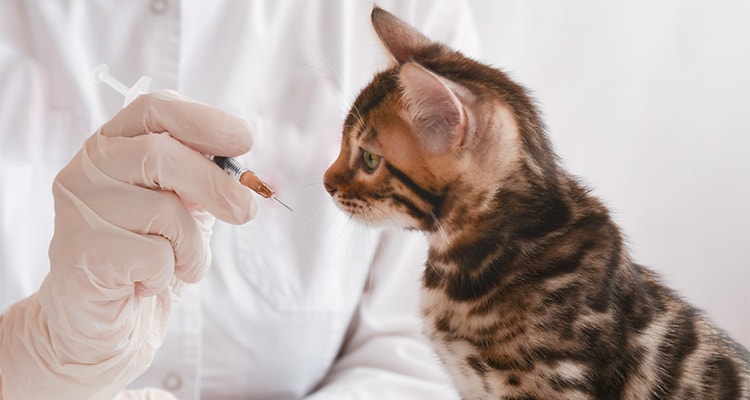
Cats are susceptible to the flu just like humans are. Sneezing is usually accompanied by other symptoms such as lethargy, a runny nose and coughing. To avoid cat flu make sure your cat has been given their first flu vaccination and annual booster every year. Most cats can fight off the flu in 1-2 weeks and it is generally harmless; however, this depends on the strength of your cat’s immune system.
If you suspect your cat is fighting off the flu, you should aim to isolate the cat from any other pets to avoid the flu spreading through your household. Seek advice from your vet on treatments to soothe the symptoms. It is important to closely monitor your cat's recovery and keep track of symptoms.
There are also preventative measures to avoid allergies and cat flu in the first place. You should make sure your cat has their annual flu vaccines to avoid the spread of flu or bouts of cat sneezing. If you suspect your pet is suffering from allergies such as pollen, you should also aim to keep your pet indoors when grass is being cut or during days with a high pollen count during the spring and summertime.
It's important to monitor your cat's sneezing symptoms so you can adequately care for your home, remove environmental triggers, or arrange a vet visit. Figuring out what's triggering your cat's sneezes is key to managing them, and your vet can prescribe medication to help with allergies or other underlying causes. With proper care and attention, most causes of sneezing in cats can be effectively managed, helping ensure a happy and healthy life for your feline friend. If you need more advice about how to tell if your cat is ill, we've got you covered Head over to our article on how to tell if your cat is sick.
An occasional single sneeze or a rapid burst of two to three sneezes in a row is perfectly normal for a cat trying to clear a temporary irritant, like dust or hair. However, frequent, daily sneezing fits or clusters of four or more consecutive sneezes usually signal an underlying health issue.
Indoor cats often sneeze due to airborne irritants like dust, cigarette smoke, scented candles, perfumes, or household cleaning chemicals. Persistent sneezing can also be caused by viral infections (like cat flu) carried indoors on your clothes, structural allergies to mould or dust mites, or an underlying dental issue.
Treatment depends on the underlying cause. For mild viral infections, vets often recommend supportive care like a humid bathroom environment to clear congestion. Bacterial infections require antibiotics, while allergies may need environmental changes. Never give human medications, as many are highly toxic to cats; always consult a veterinarian for a proper diagnosis.
If your cat keeps sneezing but otherwise seems fine, they are likely reacting to a minor, everyday environmental irritant like dust, pollen, household cleaners, or strong perfumes. It could also indicate the early stages of a mild, self-limiting viral infection or a localised allergy that hasn't impacted their overall energy.
You should worry if the sneezing is persistent or accompanied by other symptoms. Seek veterinary care immediately if you notice lethargy, a reduced appetite, coughing, or thick nasal discharge. Blood in the mucus, eye discharge, or laboured breathing are also critical signs that your cat needs professional medical treatment.
*Based on PRS In-Vivo study (2024) on quality and enjoyment perceptions of 200 cat owners (UK)

Subscribe to our newsletter to receive a welcome discount, useful tips and exciting news about our products.
Discount code valid until 31.12.2026 on a purchase of WHISKAS® products on www.zooplus.co.uk. Zooplus minimum order £10, code cannot be used in conjunction with other offers or discounts. Code valid for one time use.


Click to buy from any of the retailers below